Is a 70 Series Easy to Service Without a Laptop?
The Toyota Land Cruiser 70 Series has been a stalwart of Australian outback life since its introduction in 1984. Known for its mechanical simplicity and rugged durability, it’s the preferred choice for many who undertake remote travel and work in areas where repair facilities are sparse at best. But with the increasing complexity of vehicle diagnostics globally, many prospective owners wonder: Is a 70 Series easy to service without a laptop? This blog post dives deep into this question, touching on the 70’s legendary reliability, repairability, and practicality when operating far from metropolitan centre mechanics.
Longevity and Design Philosophy Since 1984
The 70 Series is quite literally built around the mantra of durability and ease of maintenance. Toyota launched this model with a focus on delivering a highly dependable workhorse intended for the harshest environments — not a plush urban cruiser with a laptop-required diagnostic system at every turn.
Some key points about the 70 Series longevity:
- Proven platform: The ladder-frame chassis combined with a live-axle setup on both front and rear has stood the test of time, delivering predictable and forgiving handling, especially when laden with heavy loads or traversing rough terrain.
- Simple mechanical layout: Engines and drivetrains are designed for serviceability using basic mechanical knowledge and standard hand tools, plus routine parts easily sourced through Toyota dealerships or specialist outlets.
- Minimal electronic complexity: Unlike many modern 4WDs, the 70 Series sticks to tried and tested electromechanical systems, reducing dependency on complex ECU calibrations or advanced diagnostic platforms.
This simplicity aligns perfectly with the Australian outback’s unforgiving demands — the vehicle must not only last but be repairable on the fly, often dozens or hundreds of kilometres from the nearest town or workshop.
Mechanical Simplicity 4WD: What Does It Mean for Servicing?
Under the bonnet of arguably the most rugged 4WD available in Australia, you won’t find layered computer networks or exclusive software keys to break a service routine. Instead, you have a robust setup designed with a mechanic’s spanner and a socket wrench in mind.
Key mechanical features that aid servicing without a laptop:
- Carburetted or simple fuel injection engines: Earlier models launched with carburettors, and newer ones are blessed with relatively simple fuel injection systems that mechanics at most Toyota dealerships can service with a handshake and traditional diagnostic gear.
- Manual clutch and transmission linkage: No fancy electronic actuation here—making it easier to identify and fix issues related to clutch wear, gear engagement, and linkage without reliance on tech scanning tools.
- Live axles and solid differentials: The heavy-duty axles suit rugged use and are relatively straightforward to disassemble, inspect, and repair using hand tools—perfect for those working deep in the field.
- Standardised parts and interfaces: Many components are shared across decades and models, making parts sourcing either direct through Toyota dealerships or aftermarket specialists like the 70 Series Store notably easier.
While modern diagnostic technology can speed up fault-finding, many common faults with 70 Series Land Cruisers can be detected, diagnosed, and repaired physically using experience and basic tools, all without the need for laptop tethering.
Remote Servicing in the Australian Outback
One cannot overstate the importance of being able to service your 70 Series in remote Australia. Across the vastness of WA, NT, and other outback regions, towns are spaced days apart, and many routes are https://dlf-ne.org/what-makes-the-70-series-so-reliable-in-the-bush/ dotted with nothing but dirt tracks and the odd fuel stop.

In this context, the 70 Series shines. Its design philosophy and mechanical simplicity mean you can carry out necessary repairs using:
- Basic hand tools—ratchets, sockets, screwdrivers, grease guns
- Basic spare parts—fan belts, filters, seals, mechanical joints
- Simple diagnostic aids—compression gauges, multimeters, manual oil pressure testers
The availability of aftermarket parts and retrofits through the 70 Series Store ecosystem is a major bonus, providing everything from replacement mechanical components to readily-installed upgrades that can enhance both performance and reliability without typical dealership price tags.
Even in areas where Toyota dealerships are hundreds of kilometres away, service is manageable. Critical replacements such as leaf springs, u-joints, and brake components are mechanical and don’t require exclusive tech. If something electronic fails, the 70 Series’ relative simplicity means that many sensors and wiring harnesses are robust and straightforward to test and mend.
Typical Repairs and What Breaks First
From my years working and travelling across remote mine sites and cattle stations, here’s what I’ve learned about what tends to break first in a 70 Series and how to fix it on the fly:
- Steering Box Leaks and Play: The box is sturdy, but the internal seals wear over time—usually fixed by replacing seals or the entire box, which can be sourced aftermarket or from Toyota dealerships.
- Leaf Springs and Suspension Wear: Expect shackle pins and leaf spring bushings to wear; these are straightforward to replace using hand tools and a vice or press.
- Front U-joints and Drive Shaft Wear: These components wear with time but are easily replaceable roadside with hand tools—carry spares to avoid being stranded.
- Fuel Injection Sensors (on newer models): Usually the only time a laptop or dealer’s diagnostic tool is really needed to pinpoint sensor failures. However, swapping out the sensor with a new part from an aftermarket source usually resolves the issue.
- Cooling System Hoses and Water Pumps: Rubber hoses degrade from heat and UV; carrying spares and a basic toolkit allows quick swaps.
Many of these repairs fall right into the skill set of any reasonably experienced field mechanic or capable station hand equipped with standard hand tools — no laptop required.
Purchasing Context: Toyota Dealership vs Aftermarket Resources
If you’re acquiring a 70 Series, your servicing approach depends partly on your intentions. Buying from a Toyota dealership ensures you get brand-supported warranty and access to official parts, but dealerships often expect service with specialised diagnostic equipment, particularly for newer models.
On the flip side, the 70 Series Store offers an extensive range of aftermarket parts tailored for outback reliability. Many suppliers in the https://dlf-ne.org/why-do-people-say-the-toyota-70-series-just-doesnt-break-down/ aftermarket ecosystem provide components designed for easier field repair and replacement, reducing downtime and expense compared to dealer servicing. This is crucial when you’re both far from town and far from laptop connectivity.
How the Australian Travel & Tourism Network Pty Limited Supports Outback Travellers
The Australian Travel & Tourism Network Pty Limited is an important behind-the-scenes player in supporting travellers exploring the vast Australian interior. They help connect vehicle owners and operators with trusted suppliers, service providers, and specialist advice focused on remote 4WD journeys.
Their networking and information platforms ensure drivers of vehicles like the 70 Series get reliable tips on maintenance, how to source parts away from urban centres, and strategies for remote servicing — all emphasizing hands-on repairs and mechanical simplicity rather than laptop dependence.
Summary: Can You Service a 70 Series Without a Laptop?
Aspect Feasibility Without Laptop Notes Routine Maintenance (Oil, Filters, Belts) Very Easy Standard hand tools suffice Mechanical Repairs (Suspension, Drive Shafts, Brakes) Moderate to Easy Requires mechanical skill but no electronics needed Engine Diagnostics Basic to Moderate Older engines are straightforward; newer injectors may need scanner Electronic Sensor/Fault Codes Challenging Without Laptop May require professional diagnostic tool for precise faultsIn the vast majority of use cases, especially in remote Australian conditions, servicing a Toyota 70 Series without a laptop is more than doable. The vehicle’s design reflects a bygone era where rugged mechanical simplicity equalled reliability and ease of repair — a quality still unmatched by many modern 4WDs that trade off mechanical accessibility for electronic complexity.
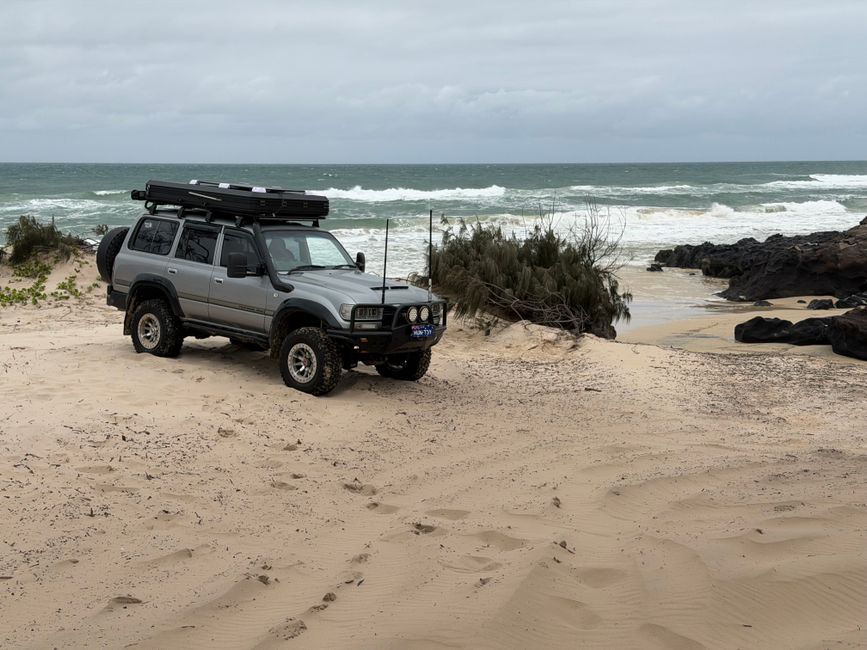
For those in remote regions, plan ahead: equip yourself with the right hand tools, carry essential spares and consumables, and leverage both Toyota dealership parts for reliability and aftermarket suppliers like the 70 Series Store for specialised spares designed for the track and trail environment.
Final Thoughts
Whether you’re out touring with a payload loaded for cattle stations or traversing mine-site supply routes, the 70 Series remains the ultimate “field-serviceable” 4WD. This mechanical simplicity 4WD lets you focus less on laptop screens and more on genuine, hands-on vehicle care — proving that sometimes, the old way is the best way.
For more advice on maintaining your 70 Series and sourcing parts, check out the 70 Series Store and stay tuned with resources provided by trusted organisations like the Australian Travel & Tourism Network Pty Limited.